Most bundles are built around what the merchant wants to move: seasonal stock, high-margin items, whatever merchandising is pushing this quarter. The bundles that earn a second order are built from something else: what your repeat customers actually pair across their first and second orders, and which products should never be put together because they substitute for each other.
Key takeaways
-
Same-basket pairs lift today's order. Cross-order pairs, what a customer buys next, are where repeat lives.
-
Four numbers from an order export tell you whether a pair is real: how many orders contain it, the share of all orders, the chance the second product is bought given the first, and the multiple over random chance.
-
Two strong sellers that almost never appear for the same customer are substitutes. Bundling them delays the next order.
-
Three bundle patterns help the second order: opener plus its most common follower, a refill multi-pack sized to the cadence, and routine completion. Two flavours of the same product hurts it.
How do I choose bundles using sales data?
By looking at what repeat customers buy in the same basket and, more importantly, across their first and second orders, and building the bundle from those pairs rather than from what you want to clear.
Export twelve months or more of orders, group by customer, mark first and second orders, note the combinations that keep appearing among people who reorder, and compare them with what one-time buyers bought. The gap is the bundle.
How do I find which products are frequently bought together in my store?
Count how often two SKUs appear in the same order, then compare that count with how often each sells on its own.
Sort by order id, list every unique product pair inside each order, count orders per pair, and rank by count and by share of all orders. That gives you the same-basket view, which is right for checkout cross-sell and starter kits.
How do I tell if two products cannibalise each other?
Two products cannibalise each other when both sell well to the same kind of customer and almost never appear together in one customer's history.
Group by customer, mark who bought A and who bought B, and count how many bought both within 60 to 90 days against how many bought only one. Strong individual sales with very low overlap is the substitute pattern. Two flavours of one supplement is the classic case: most buyers choose one and stick with it. The product bundling entry covers the distinction from complements.
How do I find cross-sell opportunities from order data?
By looking at which product a customer most often buys next after a given first product, not what sits beside it in one cart.
Sort each customer's orders by date. For everyone whose first order held product A, look at order two and count which products follow. A 250 g coffee bag most often followed by the 1 kg bag is a ladder for both a bundle and a post-purchase flow. This is the cross-order view that the products that drive repeat purchases article builds product roles on.
Which tools find bundles from order history, and what can a spreadsheet do?
A spreadsheet counts same-basket pairs, computes the chance of a follower product and catches obvious substitutes among the top sellers. It struggles with thousands of orders, with cross-order pairs at catalogue scale, and with splitting the patterns by customer segment. Market basket analysis tools run the whole history, surface both same-order and cross-order pairs, flag substitutes, and label product roles. Affinsy does this from an uploaded export and shows which customer segments drive each pair.
Same-basket pairs versus cross-order pairs
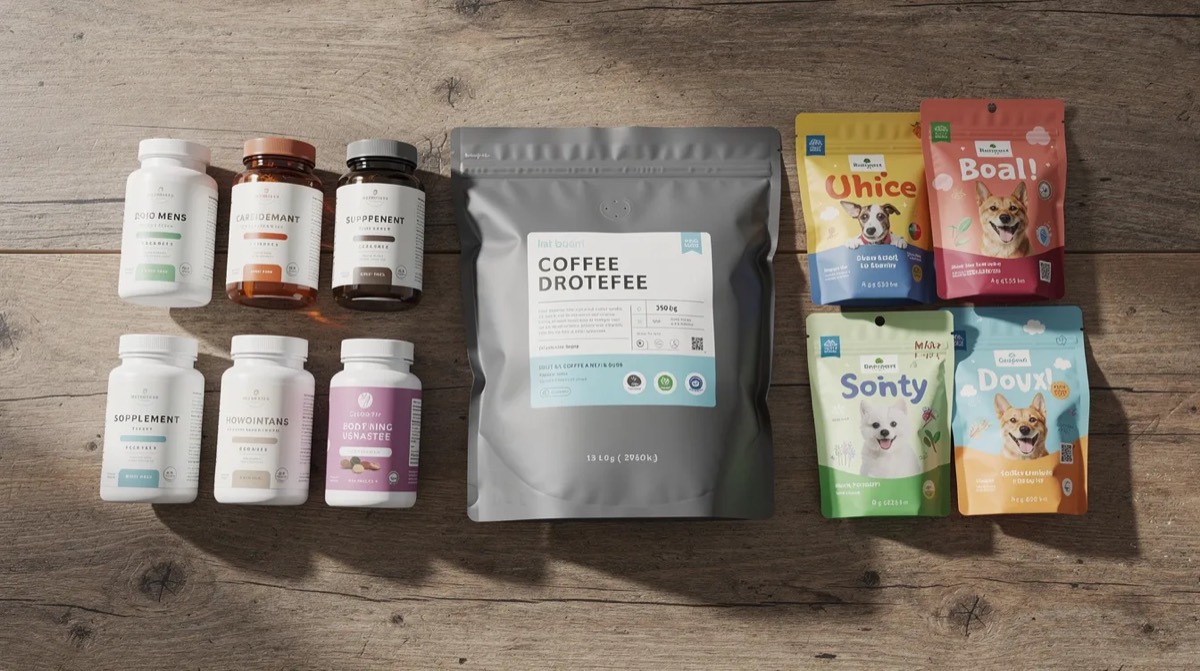
Same-basket: shampoo and conditioner in one order. Cross-order: a cleanser on day one and a moisturiser 28 days later. The first lifts average order value today. The second shows how the product journey unfolds and where the second order comes from. A bundle built only from same-basket pairs can inflate first-order value and still leave the second order untouched.
Compute product pairs from an order export
Columns: order id, customer id or email, order date, product SKU, quantity, line revenue if available.
-
Group rows by order id for same-basket pairs.
-
Group by customer id and sort by date for cross-order pairs, first order against second.
-
For each pair, count the orders or customers that include both.
Four measures, in plain words: the number of orders with the pair; the share of all orders with the pair; the chance the second product is bought given the first; and how many times more likely that is than random chance.
Illustration, with round numbers: 1,000 orders. Product A appears in 200, product B in 150, both together in 80.
-
Share of orders with the pair: 80 of 1,000, or 8%.
-
Chance of B given A: 80 of 200, or 40%.
-
Baseline chance of B in any order: 150 of 1,000, or 15%.
-
Multiple over random: 40 divided by 15, about 2.7 times.
If the pair also shows up across orders, say 50 of the 200 customers who bought A first go on to buy B in their second order, that is a 25% cross-order chance. A pair that is strong in both views is a bundle candidate. A pair strong only in the same basket is a checkout cross-sell.
The cannibalisation test
-
Pick two high-volume SKUs.
-
List the customers who bought each.
-
Count how many bought both within 60 days and how many bought only one.
If almost nobody buys both while each sells well, they compete for the same purchase. A dog food brand with two flavours in the same size: most customers pick one and reorder it. Bundling both gives the buyer extra stock of a flavour they did not choose, delays the next order, and lowers what that customer is worth. Keep substitute pairs out of refill and loyalty bundles.
Three patterns that help the second order, and one that hurts
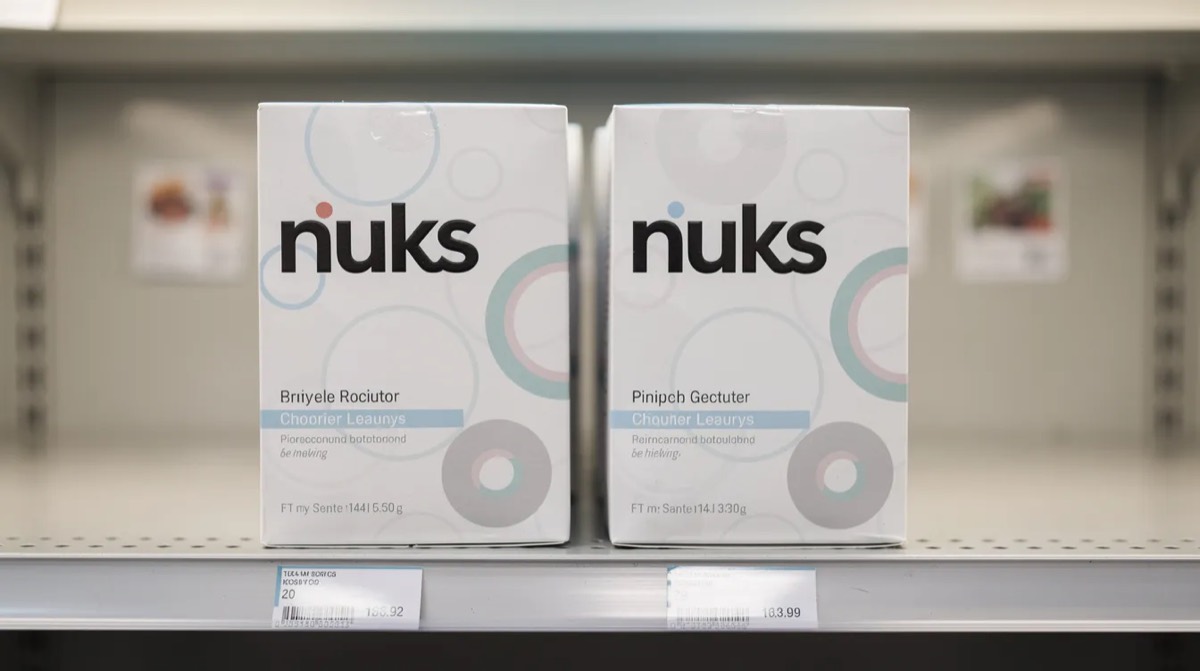
Opener plus its most common follower. The product that most often starts the journey, paired with the item most likely to follow on order two. A trial-size supplement with the full bottle. Offer it on the product page and as the post-purchase recommendation.
Refill multi-pack sized to the cadence. Once you know the median days between reorders of a SKU, a multi-pack that covers that window keeps the customer on track without overstocking them. The replenishment email guide covers finding the cadence.
Routine completion. Cleanser, serum, moisturiser. Customers who adopt a routine reorder more reliably than customers who bought one item.
The one that hurts: substitutes. Two flavours or two sizes of the same product in one bundle looks like a good package and usually delays the next purchase.
For agencies
Bundles built from order data are one of the most direct monthly levers you have. Take two or three data-backed ideas tied to second-order rate, days to second order and new-customer order value. Run the opener-plus-follower bundle to a cohort of recent first-time buyers against a control that gets the standard offer. Report second orders and days to reorder, not bundle attach rate.
Next steps
-
Export twelve months of orders.
-
Compute same-basket pairs and rank by frequency and share.
-
Compute first-to-second-order pairs and find each opener's most common follower.
-
Run the cannibalisation check on your top ten SKUs.
-
Shortlist three bundles that support a second order.
Measure each bundle by repeat orders and days to reorder, not only by revenue from the bundled items. The free bundle finder runs the pair analysis on a CSV in the browser, and the 48-hour analysis returns the full pair, substitute and product-role picture for your store.
FAQ
How often should I review bundles?
Quarterly for consumables, and after any change to catalogue, pricing or acquisition channel. Agencies can standardise a quarterly bundle audit from each client's export.
Do bundles need a discount?
No. A bundle that completes a routine or matches a reorder window sells on convenience. Test any discount against margin and against whether it trains repeat buyers to wait.
How many products in a repeat-focused bundle?
Two to four. Larger kits suit gifting. For daily-use consumables, small and clear protects reorder timing.
Same bundles for new and returning customers?
Starter and opener bundles for first-time buyers, refill multi-packs and routine sets for customers who already know the product. Segment by order count from the export.
What if my catalogue is tiny?
Three SKUs is enough to map first-to-second patterns, name the opener, and design one bundle that nudges the second order.